


(Money Metals News Service) In the latest episode of the Money Metals Midweek Memo, host Mike Maharrey offers an in-depth look at the economy, emphasizing the importance of understanding the underlying factors that drive market trends and economic conditions.
Maharrey draws an analogy to football, suggesting that just as casual fans may miss crucial plays by only following the ball, investors often overlook significant economic indicators by focusing solely on mainstream financial news.
Federal Reserve’s Influence and Market Reactions
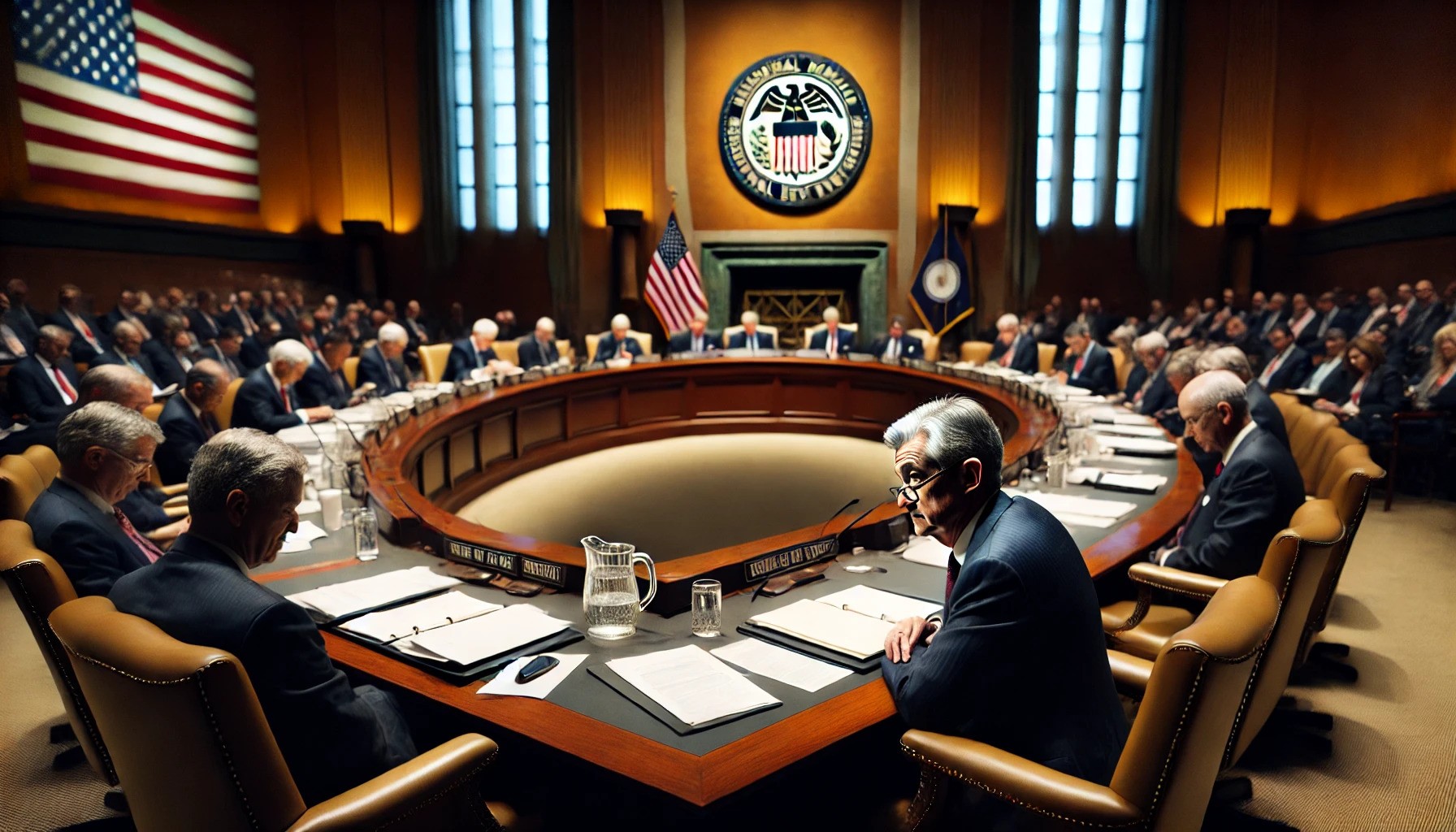
The podcast highlights the current fixation on the Federal Reserve’s interest rate decisions. With the Federal Open Market Committee (FOMC) meeting in July, speculation about potential rate cuts has captured the market’s attention. Maharrey predicts that gold and silver prices will likely rise if the Fed signals a rate cut, while a selloff could occur if expectations are tempered.
Maharrey argues that the economy’s dependency on easy money policies is evident. He points out that the market’s desperate need for rate cuts is a clear indication of underlying weaknesses, particularly the inability of a debt-ridden economy to sustain higher interest rates.
The Growing National Debt Crisis

A significant portion of the podcast is dedicated to discussing the alarming growth of the national debt, which recently surpassed $35 trillion. Maharrey emphasizes the rapid increase in debt under the Biden administration, noting that it took just seven months to add another $1 trillion. This unsustainable spending is a bipartisan issue, with both parties prioritizing vote-buying over fiscal responsibility.
“Uncle Sam is blowing through about half a trillion dollars every single month. This is a spending problem,” Maharrey asserts, highlighting the severity of the fiscal situation.
Interest Rates and Government Spending
Maharrey highlights the impact of rising interest rates on the national debt. In June alone, the federal government spent $14.2 billion on interest payments, accounting for 30% of the month’s total tax receipts. This trend is unsustainable, with interest expenses on track to exceed $1 trillion for the fiscal year.
Consumer and Corporate Debt
Beyond government debt, Maharrey sheds light on the broader debt problem within the economy. Consumer debt, particularly credit card debt, has reached record levels, with interest rates exceeding 28%. Additionally, corporate debt is causing an increase in bankruptcies, further indicating economic instability.
The Federal Reserve’s Balance Sheet and Monetary Policy
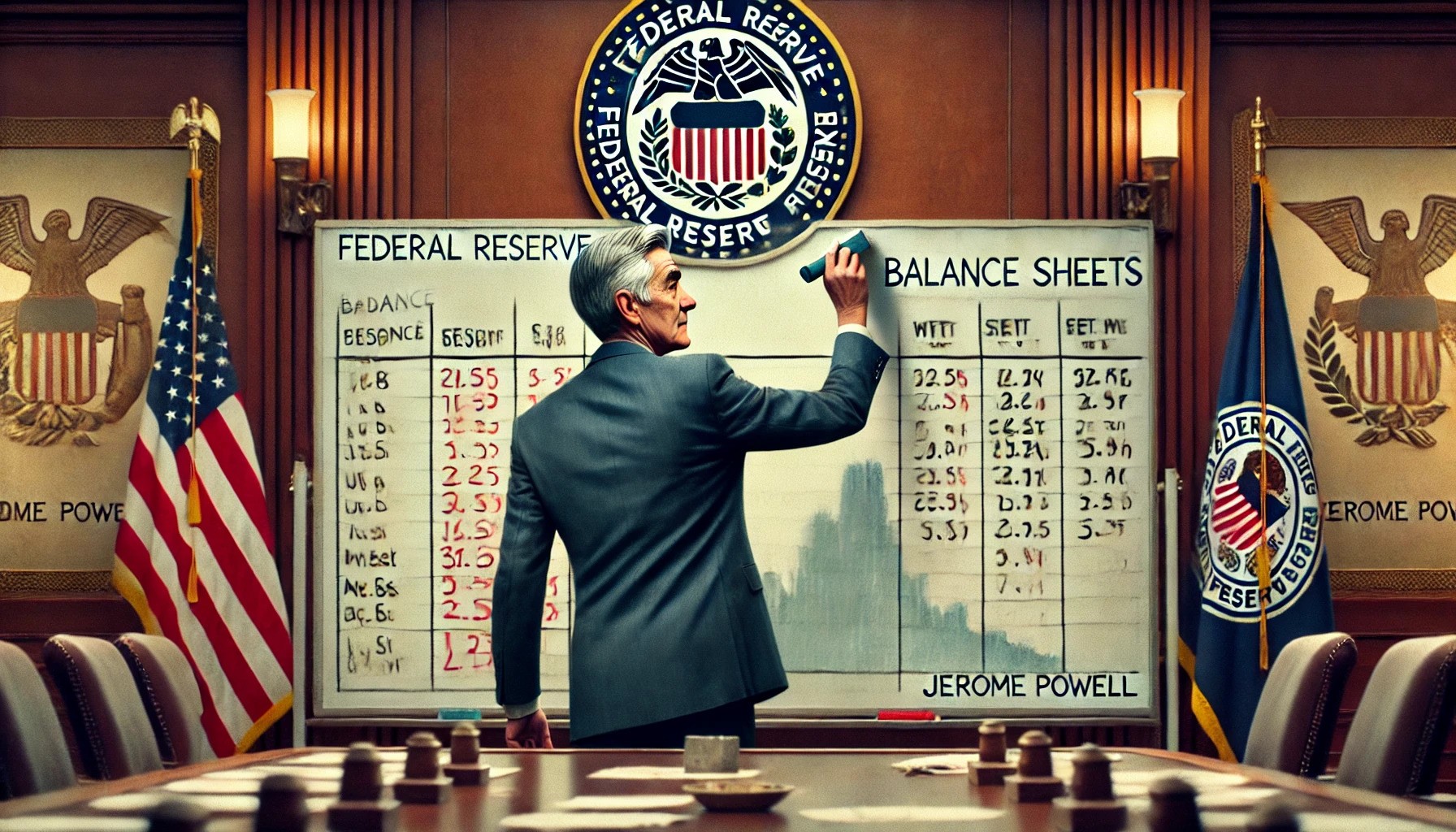
While the mainstream media focuses on interest rates, Maharrey argues that the Federal Reserve’s balance sheet is a more critical indicator of monetary policy. He explains that the Fed has quietly tapered its balance sheet reduction, effectively signaling an end to its inflation fight. This shift indicates a return to loose monetary policies, which could lead to more inflation in the future.
“Interest rates are a sideshow in the FED drama… balance sheet reduction as far as Fox Business or CNBC is concerned, that’s the sideshow,” Maharrey explains, emphasizing the importance of paying attention to the Fed’s balance sheet.
Michael Pento’s Analogy on the Economy

Maharrey references an interview with Michael Pento, the founder of Pento Portfolio Strategies, who provided a compelling analogy for the current economic situation. Pento likened the economy to a car running on fumes:
“The economy is running on the fumes of all of the monetary fuel that was pumped into the economy during the pandemic years and then even going back to the aftermath of the 2008 financial crisis,” Maharrey quotes Pento. He adds, “It’s like a car right; it’s running down the highway running on gas fumes and there’s no exit ramps.”
Historical Context and Future Predictions
Maharrey provides a historical overview of the Federal Reserve’s monetary policies, from the 2008 financial crisis to the pandemic-era quantitative easing. He suggests that the Fed’s current actions are reminiscent of past policies that have led to economic instability. The likelihood of a significant economic downturn or stagflation is high, given the economy’s dependency on easy money.
“The economy needs easy money. It needs a lot of debt. It needs a lot of money printing. That’s what runs it. It’s the gasoline that runs this economy,” Maharrey states, warning of the impending economic challenges.
The Importance of Gold as an Inflation Hedge

In light of these economic challenges, Maharrey recommends considering gold as an inflation hedge. He argues that gold has historically performed well during inflationary periods, citing a 33% increase in gold prices since June 2021, compared to a 12.3% increase in the Consumer Price Index (CPI).
Conclusion
Maharrey concludes by encouraging listeners to prepare for potential economic turbulence by investing in precious metals. He underscores the importance of having an insurance policy in place before a crisis hits. For more detailed insights and to stay updated on the latest economic news, Maharrey directs listeners to Money Metals Exchange.
“Now is a great time to call Money Metals, talk to a precious metal specialist… You want to have your insurance policy, your hedge, before the crisis breaks out,” Maharrey advises.
By focusing on these critical yet often overlooked aspects of the economy, Maharrey provides valuable insights that go beyond the headlines, helping investors make more informed decisions in a volatile market.
Call to Action
For more in-depth analysis and updates on the precious metals market, visit Money Metals Exchange. You can also call the customer service phone number at 1-800-800-1865.
To receive the latest news and commentary directly in your inbox, sign up for their email list. Additionally, subscribe to the Midweek Memo podcast on your favorite platform to stay informed about market trends and economic insights.