(Interview Begins Around 5:54 Mark)
(Money Metals News Service) In a recent episode of the Money Metals Exchange podcast, host Mike Maharrey interviewed economist Dr. Peter St. Onge.
The two discuss St. Onge’s early success and subsequent financial loss during the dot-com boom, the recurring nature of economic cycles, and the pervasive impact of Federal Reserve policies on inflation and income inequality.
Dr. St. Onge criticized the Fed’s role as an “inflation factory” and highlighted the Cantillon effects that benefit the wealthy and government at the expense of the middle class and fixed-income earners. He emphasized the importance of free speech in economic discourse and expressed concern over the weakening US dollar due to recent geopolitical actions.
Despite these challenges, Dr. St. Onge remains optimistic about America’s economic resilience, citing the entrepreneurial spirit and potential for rapid recovery if government interference is reduced.
Who is Peter St. Onge?
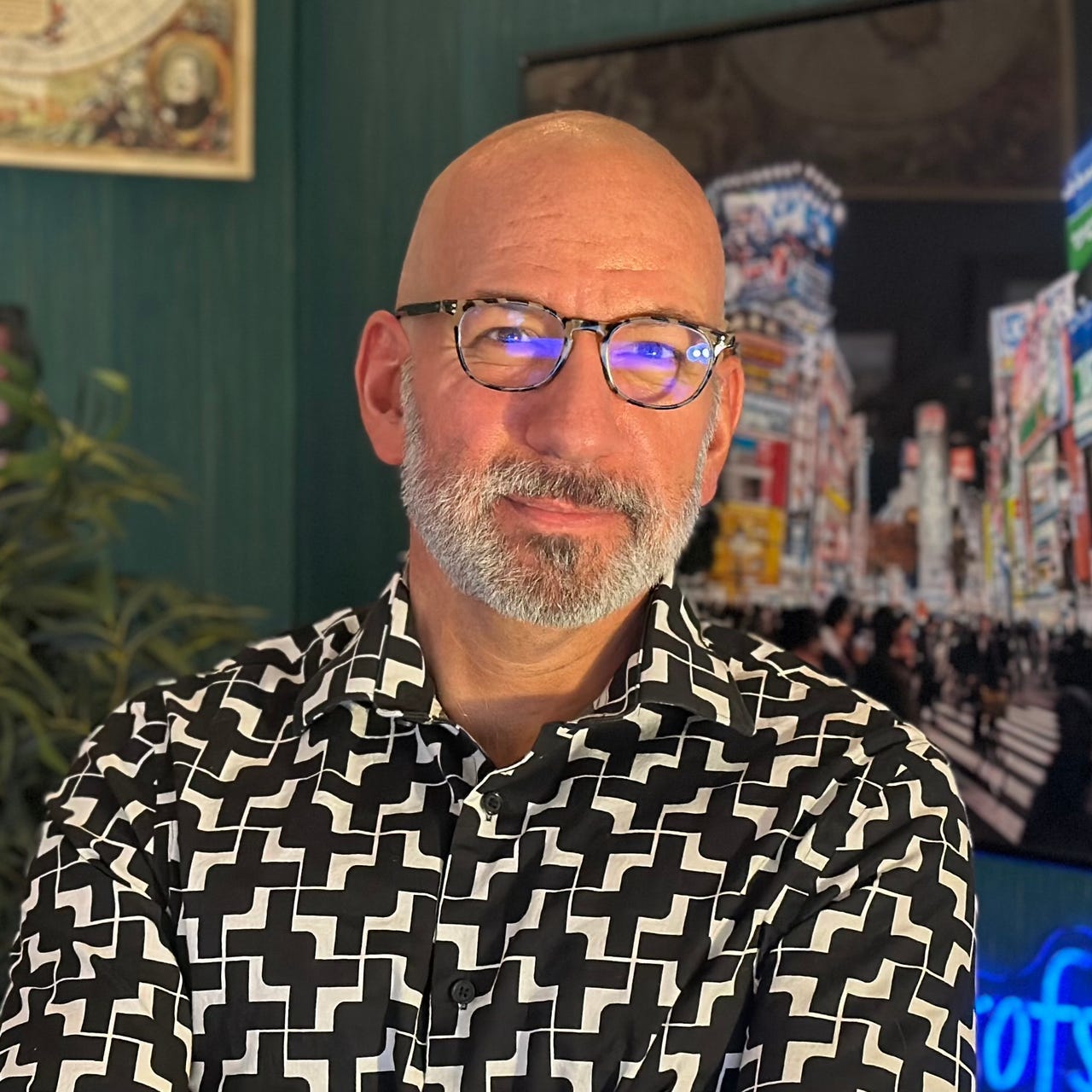
Dr. Peter St. Onge is an economist at the Heritage Foundation, a Fellow at the Mises Institute, and a former professor at Taiwan’s Feng Chia University. He holds a PhD in economics from George Mason University and a Bachelor’s degree in Economics and Political Science from McGill University.

Dr. St. Onge shared an intriguing story of how he retired at 25 during the dot-com boom of the 1990s. Inspired by an interview with Paul Krugman, he invested all his money in internet stocks, despite initial skepticism from others. His investments eventually paid off, making him a millionaire by the age of 25. He spent the next two years traveling the world, but when the dot-com bubble burst, he lost much of his wealth. This experience led him back to academia, where he later earned his PhD.
Historical Economic Cycles
Drawing parallels between the dot-com boom and other historical economic cycles, Dr. St. Onge noted that similar patterns have repeated throughout history. He cited examples such as the 1830s railroad boom in Britain and compared the internet’s impact to that of Gutenberg’s Press. He emphasized that while economic booms and busts are common, the long-term effects often lead to significant societal changes.
Inflation and the Federal Reserve
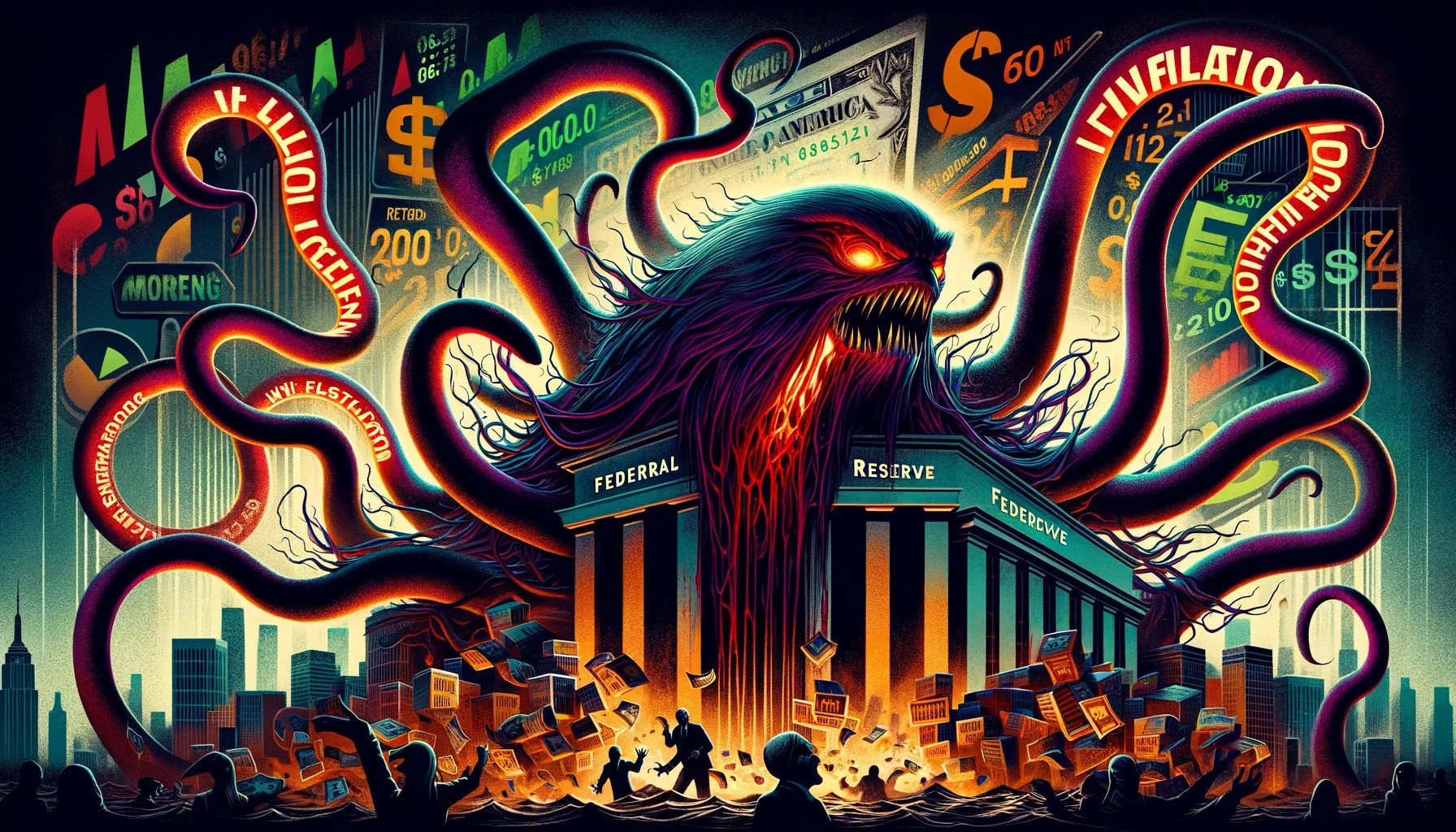
The conversation shifted to current economic issues, particularly inflation. Dr. St. Onge criticized the Federal Reserve, describing it as an “inflation factory.” He pointed out that from 1800 to 1900, prices in the US fell by 50%, but since the establishment of the Federal Reserve, the dollar has lost 97% of its value. He argued that the Fed’s 2% inflation target is a marketing strategy rather than an economically justified figure, allowing the Fed to take as much as it can without drawing too much public attention.
During the COVID-19 pandemic, the Fed printed $7 trillion, increasing the money supply by about 50%. This led to a significant rise in inflation, which Dr. St. Onge likened to the 1970s inflation crisis. He warned that inflation is making a comeback, potentially leading to a prolonged period of economic hardship similar to the 1970s.
Economic Disparities and Cantillon Effects
Dr. St. Onge discussed the Cantillon effects, where the first recipients of newly created money benefit the most while those at the end of the chain suffer. He highlighted that the Federal Reserve’s policies primarily benefit the wealthy and the government, exacerbating income inequality. He criticized the misconception that inflation is harmless because wages also rise, pointing out that the benefits are unevenly distributed.
Free Speech and Economic Freedom

Emphasizing the importance of free speech, Dr. St. Onge argued that it is crucial for addressing economic issues. He warned that censorship, particularly in academia, undermines the credibility of scientific research. He mentioned examples of scientists being ostracized for challenging mainstream views on climate change and other topics. Without open debate, he argued, true scientific progress is impossible.
The Future of the US Dollar
Dr. St. Onge expressed concern about the future of the US dollar. He noted that the US government’s decision to seize Russia’s central bank assets during the Ukraine conflict has made other countries wary of holding dollars. This has led to a diversification away from the dollar, with the dollar’s share of global reserves falling from 58% to 49% in a few years. He argued that this trend, coupled with the US government’s spending and regulatory policies, could weaken the dollar’s dominance.
Optimism for the Future

Despite these challenges, Dr. St. Onge remains optimistic about the future. He believes that the American people’s entrepreneurial spirit and resilience will prevail. He cited the rapid economic growth during the early years of the Trump administration as evidence that the US economy can rebound quickly when government interference is reduced. He concluded that while the path may be difficult, the US has the potential to overcome its current challenges and thrive.
Conclusion
Dr. Peter St. Onge’s insights provide a thought-provoking analysis of historical and current economic trends. His perspectives on inflation, the Federal Reserve, and the future of the US dollar highlight the complexities of the global economy. Despite the challenges, his optimism for America’s future offers a hopeful outlook in an uncertain world.
For more of Dr. St. Onge’s work, you can follow him on Twitter @profstonge or visit his website at www.ProfStOnge.com.